AFTERLUMA JOURNAL • CURATED EDITORIAL ARCHIVE
Vittorio Sella and the Weight of a Photograph
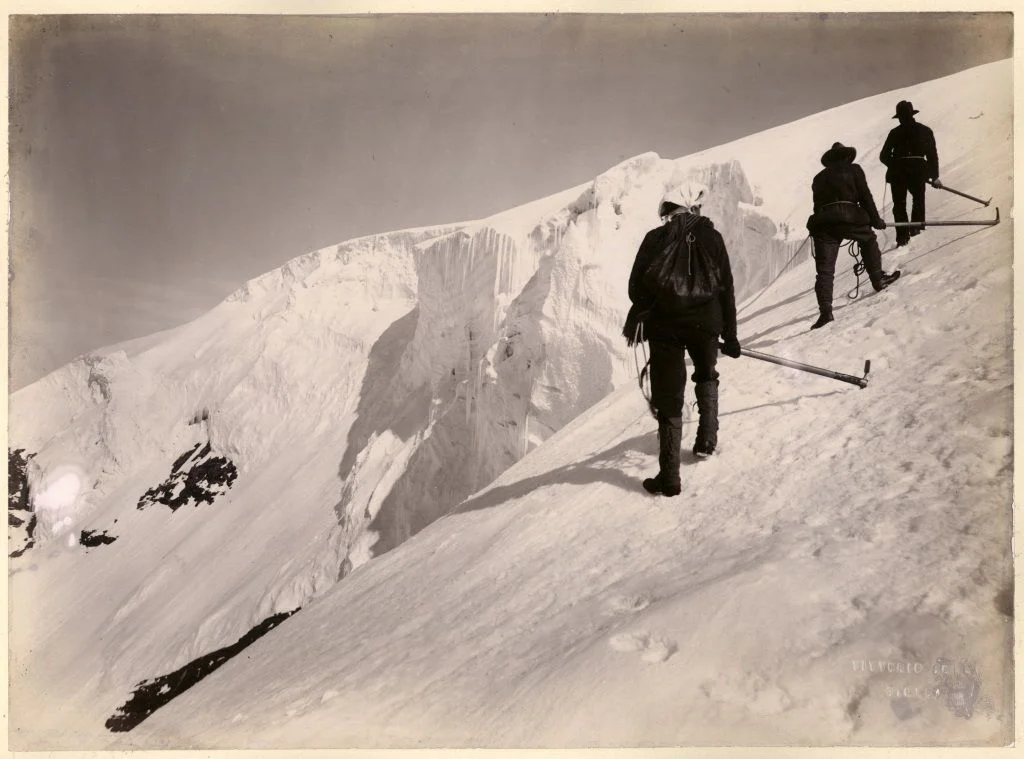
On the Matterhorn in midwinter, on K2 with glass plates on his back: the photographer from Biella who showed mountains exactly as they are. In March 1882, a 22-year-old left Breuil at eleven at night with three guides from the Carrel family, bound for the summit of the Matterhorn. He reached it at two the following afternoon. It was the first winter ascent of the mountain. A month earlier he had tried twice and come home with nothing. On the second attempt he had walked for twenty-three hours almost without stopping, and the Barolo in his leather flask had frozen solid. His name was Vittorio Sella. He climbed for the mountain, but also for the photograph.
A house with a darkroom
Sella was born in Biella, a wool-industry town at the foot of the Alps, on 28 August 1859. His family had two passions: mountains and the darkroom. His uncle Quintino Sella, a statesman, founded the Italian Alpine Club in 1863. His father, Giuseppe Venanzio Sella, ran the family mill but had also written the first treatise on photography published in Italy. When his father died in 1876, Vittorio inherited the laboratory and the manual. His first circular panorama of the Alps dates from 1879. He borrowed a large camera from a local photographer and climbed Monte Mars, above Oropa. In 1882 he ordered a camera from Dallmeyer in London for glass plates measuring 30 by 40 centimetres, roughly the size of an A3 sheet.
Why winter
In February 1882, Sella was not climbing in winter to chase a record. The photographer in him knew that cold, clear air gives sharper colours and contrasts across the whole horizon. After the March ascent he descended the Swiss side and spent the night in a hut full of snow, pressed against his guides and stamping his feet to keep from freezing. On 29 July he went back to the summit and photographed the entire horizon on eleven plates.
A studio on his back
A mountain photograph in those days meant hauling a whole atelier uphill. By one curator's estimate, the big camera weighed about 18 kilograms and each glass plate almost a kilogram. Plates had to be loaded and unloaded in the dark, so Sella carried a black tent and a pocket red lantern. The family had designed its own harnesses for carrying loads. In the Karakoram, some porters refused the shoulder straps at first, until he talked them round. He did not work alone. For many years Erminio Botta, also from Biella, went with him. On the 1909 expedition, Filippo De Filippi, the group's chronicler, described him as assistant, guide and porter rolled into one. Sella left camp ahead of the others, before breakfast, with Botta and the porters carrying the cameras behind him, to get more time in good light.
Four continents
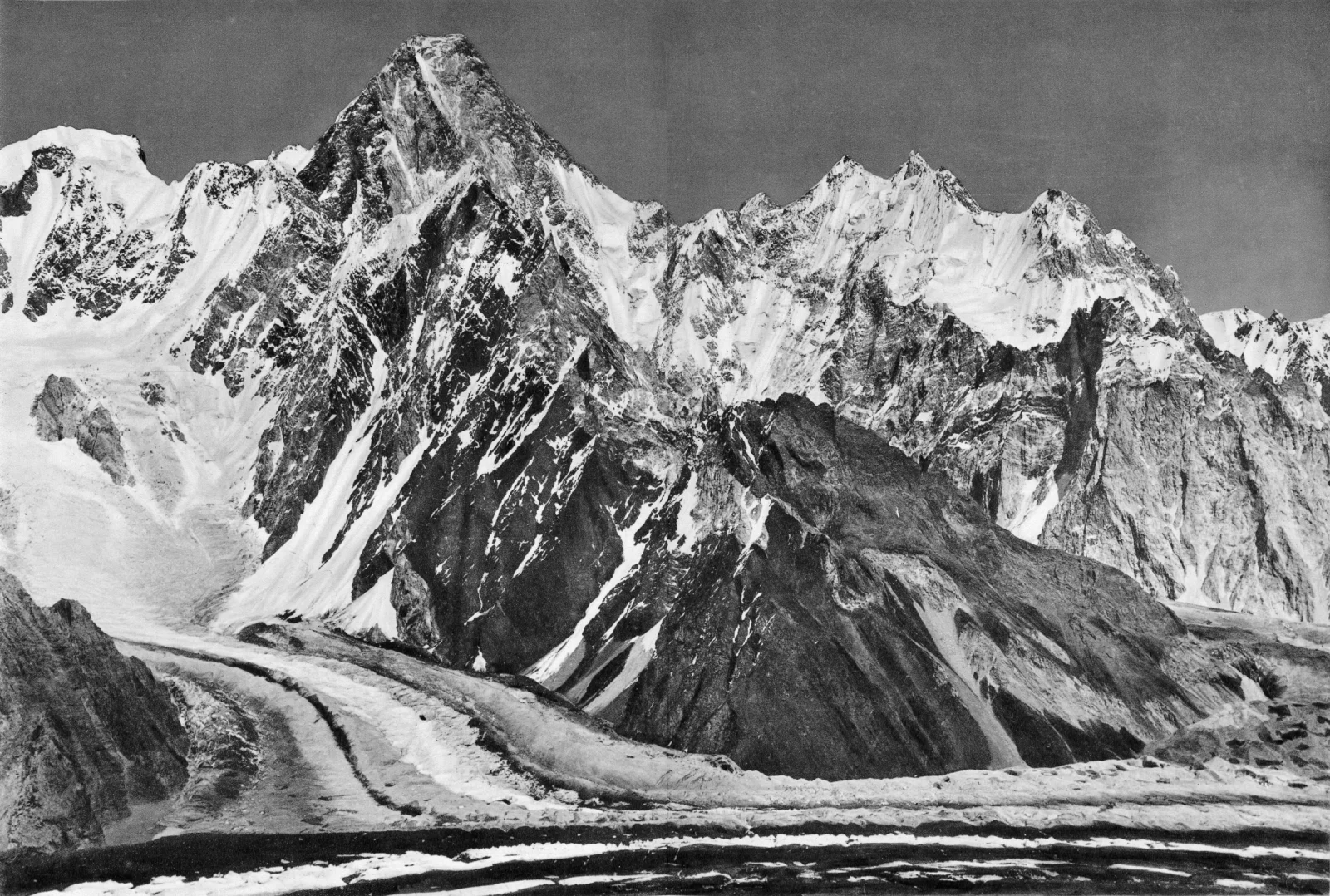
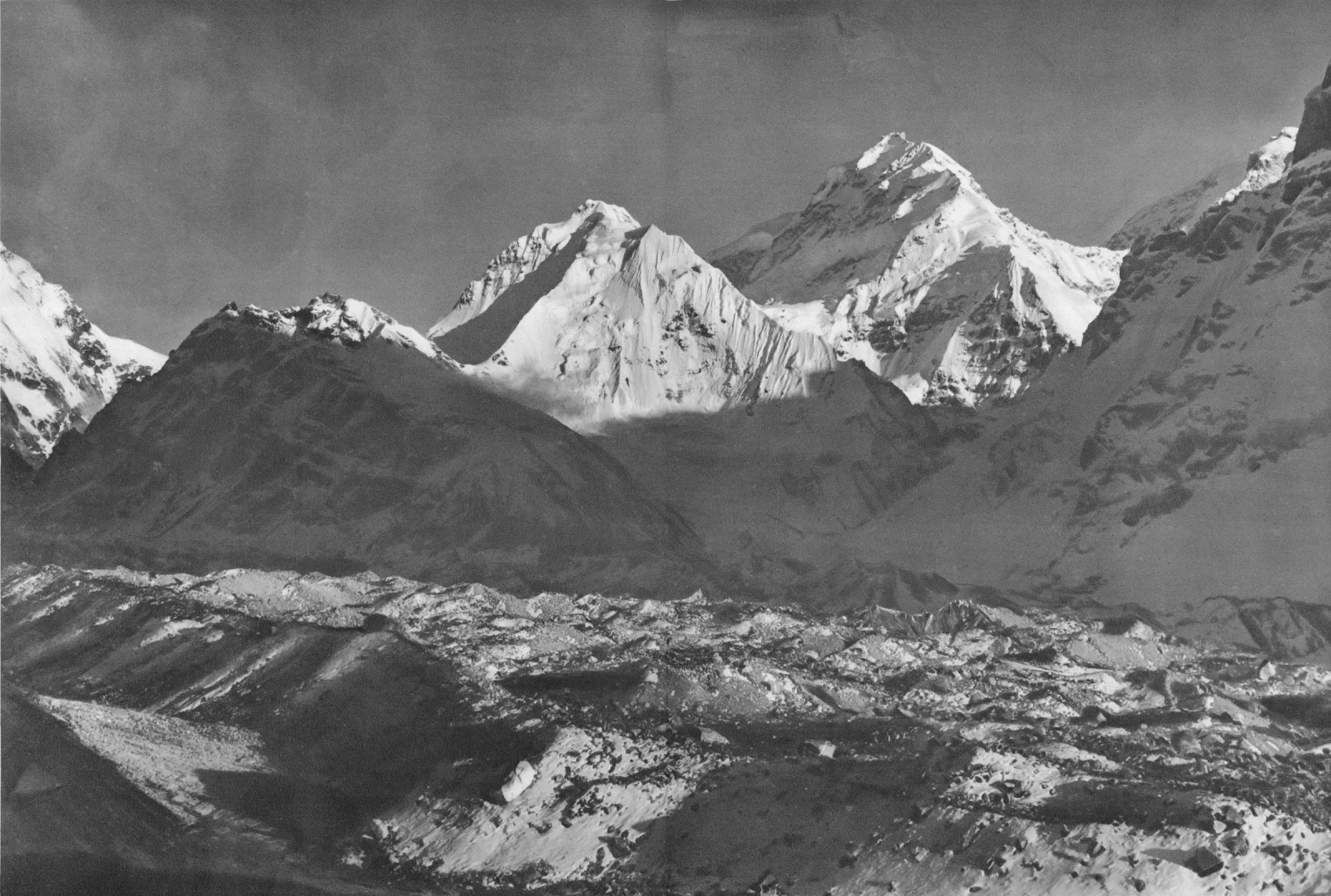
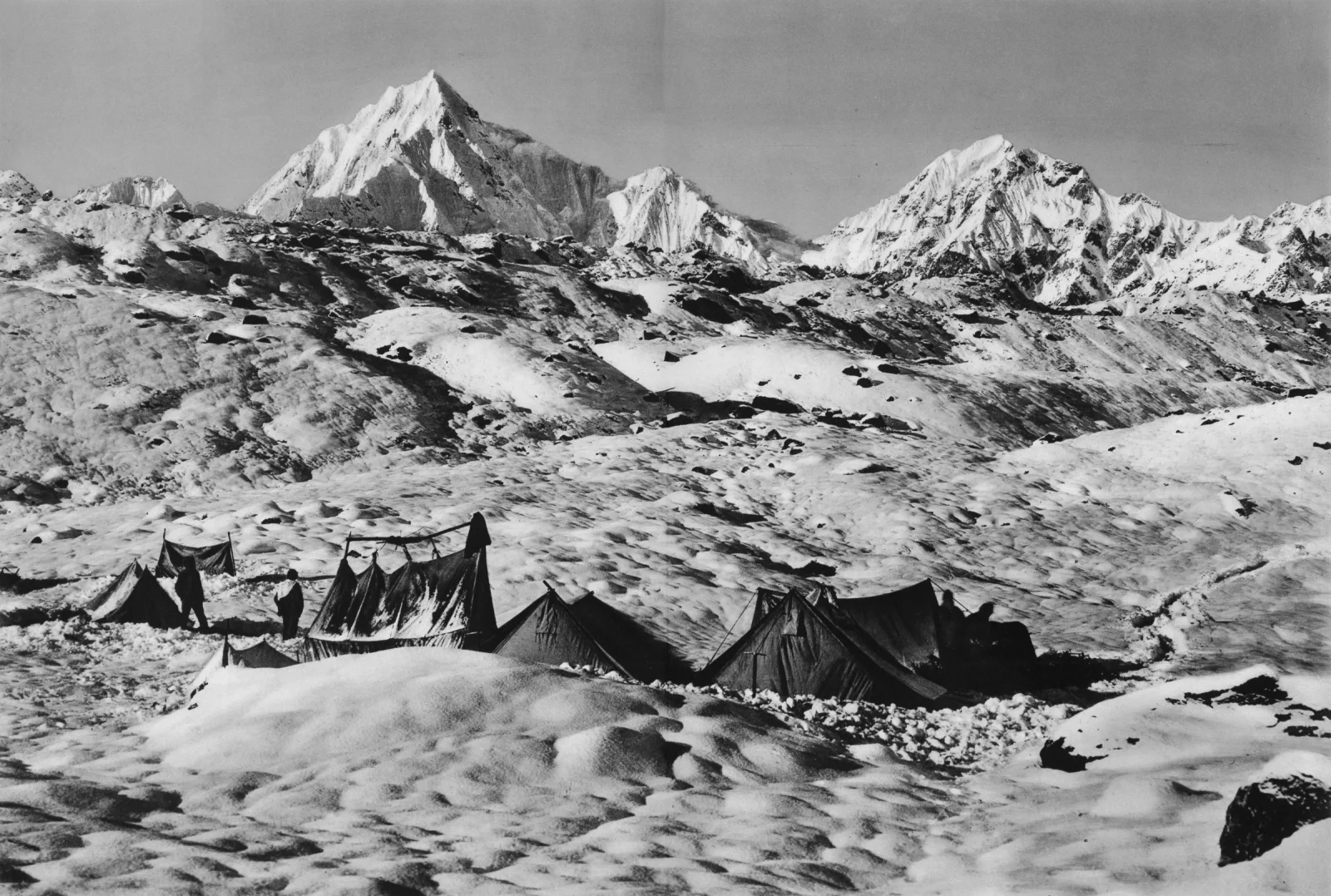
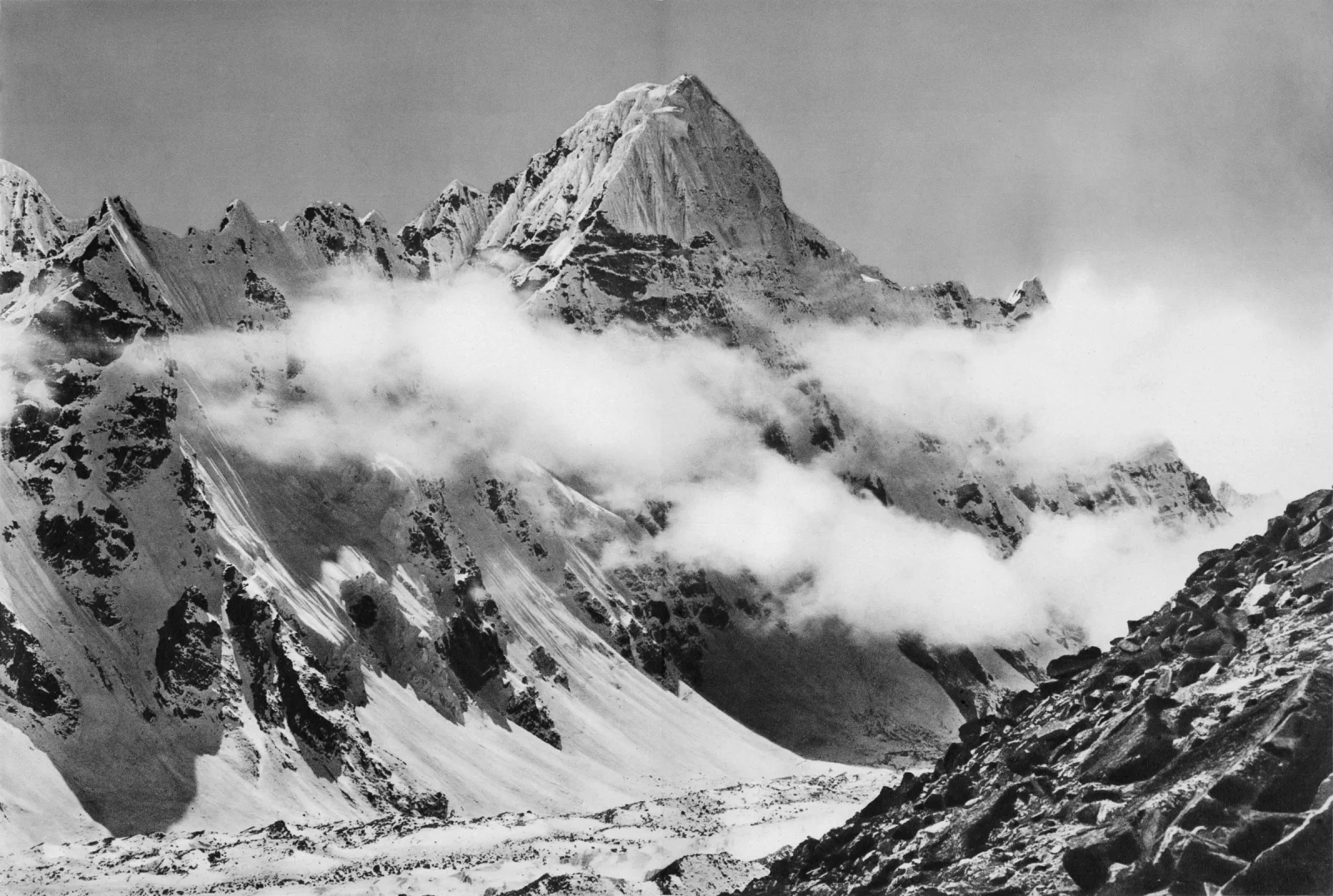
Where others would have written about conquest, Sella wrote about waiting. He photographed the Caucasus three times, in 1889, 1890 and 1896. His return from the last trip brought an invitation from Prince Luigi Amedeo of Savoy, Duke of the Abruzzi, to become the official photographer of his expeditions. Alaska, 1897. The expedition made the first ascent of Mount Saint Elias on 31 July. For the photographer, the trip went badly. The equipment list in the expedition's book, drawn up from Sella's own notes, says plainly that the big camera was used for a single photograph. Most of the good pictures came from a folding Kodak. Coastal damp had ruined many negatives. Kangchenjunga, 1899. With the British explorer Douglas Freshfield, Sella and his brother took photographs at about 6,000 metres, among the highest made up to that time. Freshfield thanked Sella in his preface for almost all of the book's illustrations. Ruwenzori, 1906. In central Africa, the Duke's expedition climbed all the peaks of the range. Sella also recorded the retreat of the glaciers there, one of the earliest records of its kind. Karakoram, 1909. The goal was K2. The party worked up the Baltoro and Godwin-Austen glaciers and tried the south-east ridge without reaching the top. On Chogolisa they set an altitude record, again without reaching the summit. Sella and Botta spent whole days climbing to camera stations and waiting for the clouds to lift.
Photographs that worked as maps
The 1909 images were not only beautiful but accurate. Sella marked his camera stations with small cairns so the surveyors could tie each panorama into the expedition's map. In 1938, an American party led by Charles Houston went to reconnoitre K2. Their report printed a 1909 Sella photograph with the proposed route drawn over it. Houston wrote that Sella had brought back hundreds of mountain photographs nobody had yet equalled. A century later, in September 2009, the mountaineer and filmmaker David Breashears re-made one of Sella's panoramas from exactly the same spot. Ansel Adams wrote in 1946, after an exhibition of prints from the archive, that Sella's images inspire an almost religious awe and carry no false grandeur. Adams noticed the restraint: no theatrical skies, no exaggerated angles. That does not mean the prints were untouched. The curator Paul Kallmes says Sella sometimes added figures in the darkroom so viewers could grasp the scale.
One more try on the Matterhorn
Sella kept climbing into old age. At 76 he tried the Matterhorn once more and turned back after one of his guides was injured. He died in Biella on 12 August 1943.
His archive is still there. The Fondazione Sella, in the family's former wool mill, holds about ten thousand negatives and some twelve thousand prints, along with the big glass plates and part of his equipment. It is a research archive, not a museum, and visits are by appointment. The San Gerolamo laboratory, with the solar enlarger he used until the end, can still be seen.
Comments & Thoughts
0You must be signed in to join the conversation.
Sign In